There’s a story every auto dealership can tell. Units are acquired, priced correctly, and sitting on the lot. They should move quickly. But they haven't been photographed yet. For the next few days, nothing happens. No views. No leads. No movement.
The vehicles are in the IMS, but not in the market.
That gap between acquisition and sale is where dealerships lose leverage. The reality is simple and stark: vehicles cannot sell if shoppers cannot see them.
The Digital Frontline Has Replaced the Lot Walk
Most dealerships have spent years perfecting their physical frontlines. Managers know how to position vehicles, highlight key units, and create visual appeal for passing traffic. Everything is designed to catch attention.
This same rules now apply to your digital presence.
According to Cox Automotive, 95% of buyers begin their search online. For many of them, the VDP replaces the first walk around the lot. The photos they see online form their first impression of the vehicle and of the dealership itself.
That means your auto dealership photos are no longer a supporting asset. They are your frontline. When those images are strong, consistent, and complete, they build trust and engagement. When they are missing or inconsistent, the vehicle effectively disappears from consideration.
The Hidden Cost of Waiting on Photography
Time-to-market is directly tied to sales opportunity. Every day a vehicle is not online is a day it cannot generate interest. Over a typical two-month selling window, a week's delay in photos is about 10% of lost time to market.
That loss shows up over time as:
What makes this particularly important is that the delay often feels operational rather than strategic. Used vehicles in particular wait for recon, then detail, then photography, with gaps between each stage. By the time the vehicle is live, the strongest window of shopper interest may already be partially gone.
Why Automotive Dealership Photography Drives Behavior
Dealers sometimes think about photos as documentation. In reality, they are decision drivers for sales.
Shoppers don't start with descriptions or specifications. They start with images. Those images determine whether they continue exploring or move on.
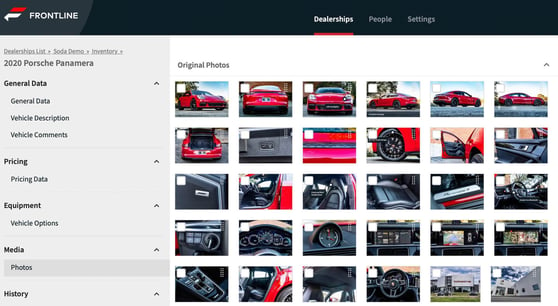
From a buyer’s perspective, automotive dealership photography serves several purposes at once. It allows them to evaluate condition, understand trim level, identify features, and assess overall value. If the images are incomplete or inconsistent, the buyer moves to the next listing, sometimes at another dealership.
If the images are clear, consistent, and complete, the buyer gains confidence. They spend more time on the page. They begin to picture themselves in the vehicle. They move closer to action.
This is why strong auto dealer photography correlates with higher engagement and better conversion performance, ultimately serving as an engine for sales.
Speed and Consistency Are What Separate High Performers
Car photography is no longer a task that happens when time allows. It's an operational discipline. The most effective stores align their workflow so that photography happens in coordination with the detail or cleaning team. Vehicles move through each stage without sitting idle. Once they are ready, they go live immediately.
Dealerships that perform well in this area:
Consistency plays a role that is often underestimated. When images vary widely from one vehicle to another, it signals inconsistency to shoppers. When every unit follows the same visual pattern, it reinforces professionalism and reliability.
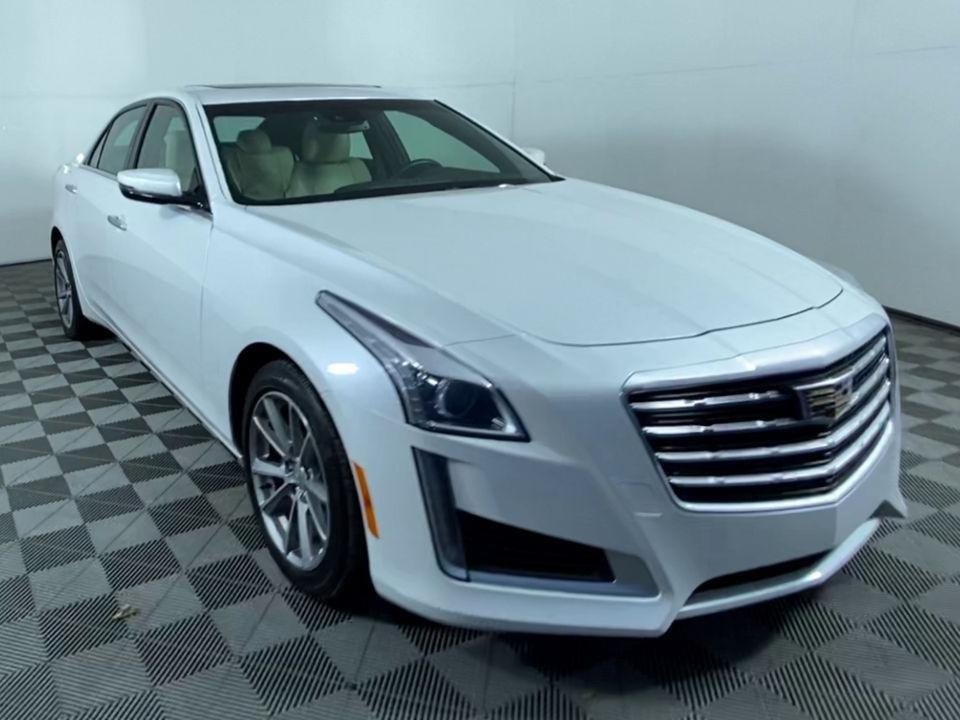
Even something as simple as clean, uniform automobile background images can influence how a buyer perceives your dealership.
Quality Matters, But Authenticity Matters More
As photography standards improve, there is a natural tendency to push toward perfection. Better lighting, cleaner backgrounds, sharper images are all positive developments.
A bad photo can be worse than no photo if it undermines trust. At the same time, overly polished or artificially enhanced images create a different kind of problem. When the vehicle appears differently in person than it does online, buyers notice immediately.
Authenticity builds trust. The goal is not flawless imagery. It is consistent, clear, and honest representation of the vehicle. This is especially important in pre-owned inventory, where buyers are naturally more skeptical.
When shoppers feel like they are seeing the real vehicle, they move forward with more confidence.
Interactive Merchandising Raises the Bar
Great photos are the foundation of great listings, but they are no longer the limit of what's possible.
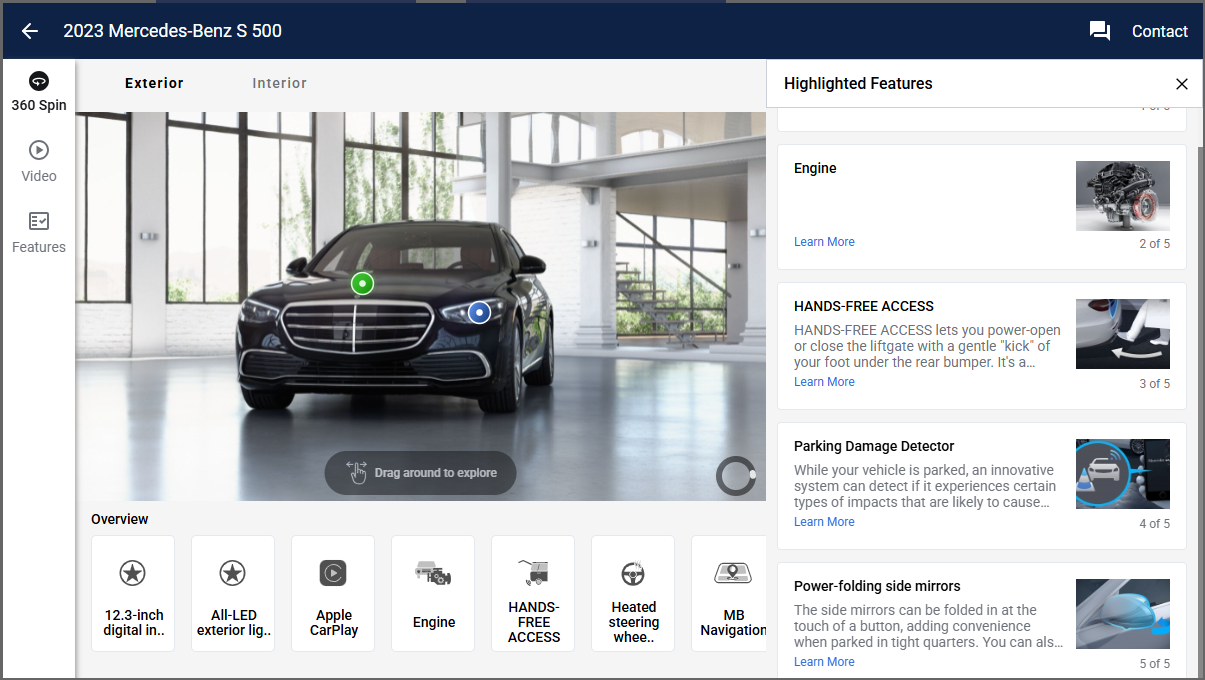
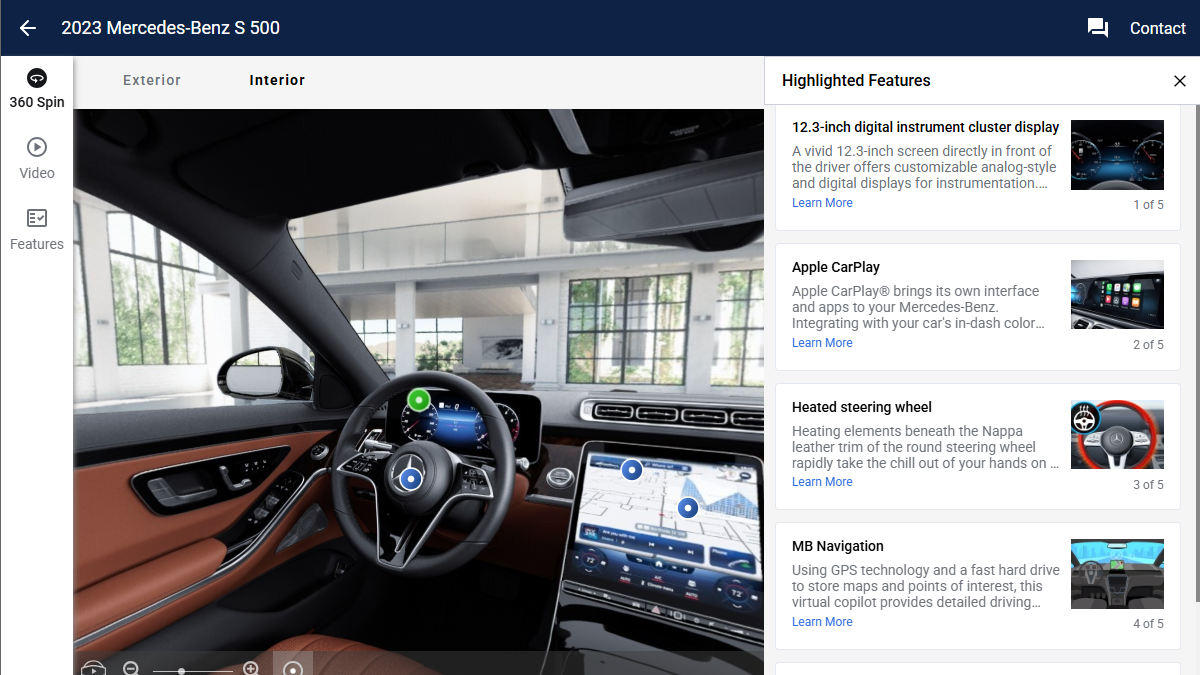
Dealerships can layer in interactive elements such as 360° spins, video walk arounds, and dynamic hotspots. These tools extend the role of photography by allowing buyers to explore the vehicle more thoroughly. Listings with interactive features generate higher engagement, keep shoppers on the page longer, and contribute to faster inventory turnover.
What matters is not just adding these features, but integrating them into a consistent workflow. When every vehicle benefits from the same level of presentation, the entire inventory becomes more competitive.
Measuring the Impact of Car Photography
Improving auto dealership photos is not just about aesthetics. It is about performance. The dealerships that see the greatest gains are the ones that measure:
- Time from acquisition to being live online
- VDP engagement and time-on-page
- Photo completeness across inventory
- Inventory turn rate
When these metrics are tracked consistently, photography becomes part of a larger operational strategy rather than a standalone task.
The Stores That Treat Photography as a Process Win
The difference between average and high-performing dealerships is not whether they take photos. It's how they approach the process.
When auto dealer photography is treated as a defined, repeatable workflow with clear standards, accountability, and timing, it becomes a competitive advantage. Your digital frontline works as hard as the physical one.
Where to Go From Here
For dealerships evaluating their current approach, the most important question is not whether your images look good. It is whether your process is working. Questions to ask your team:
-
Are vehicles getting online quickly?
-
Are images consistent across inventory?
-
Are shoppers engaging with our listings?
-
Is photography helping or slowing our pipeline?
A closer look at your workflow can reveal where time is being lost and where presentation can be improved. With the right structure in place, automotive dealership photography becomes more than a requirement. It becomes a sales engine.
A conversation with Xcite can quickly highlight where photography can help your sales team close more deals. Request a custom quote to get started.



 Xcite Auto
 Xcite Auto : Sep 3, 2025, 12:08:20 PM
.jpg)