Most dealership leaders don’t need convincing that merchandising matters. You see it every day. Two similar vehicles, same price range, same mileage. One gets clicks while the other sits. More often than not, the difference isn’t inventory or pricing. It’s presentation.
Today’s shoppers make decisions fast. They scroll quickly, skim listings, and judge value in seconds. If a vehicle doesn’t explain itself immediately, they move on. That’s where hotspots change the game.
Hotspots aren’t marketing fluff. They’re a practical merchandising tool that helps vehicles sell themselves online before a shopper ever reads a description or talks to a salesperson.
What Are Hotspots and Why Do They Matter?
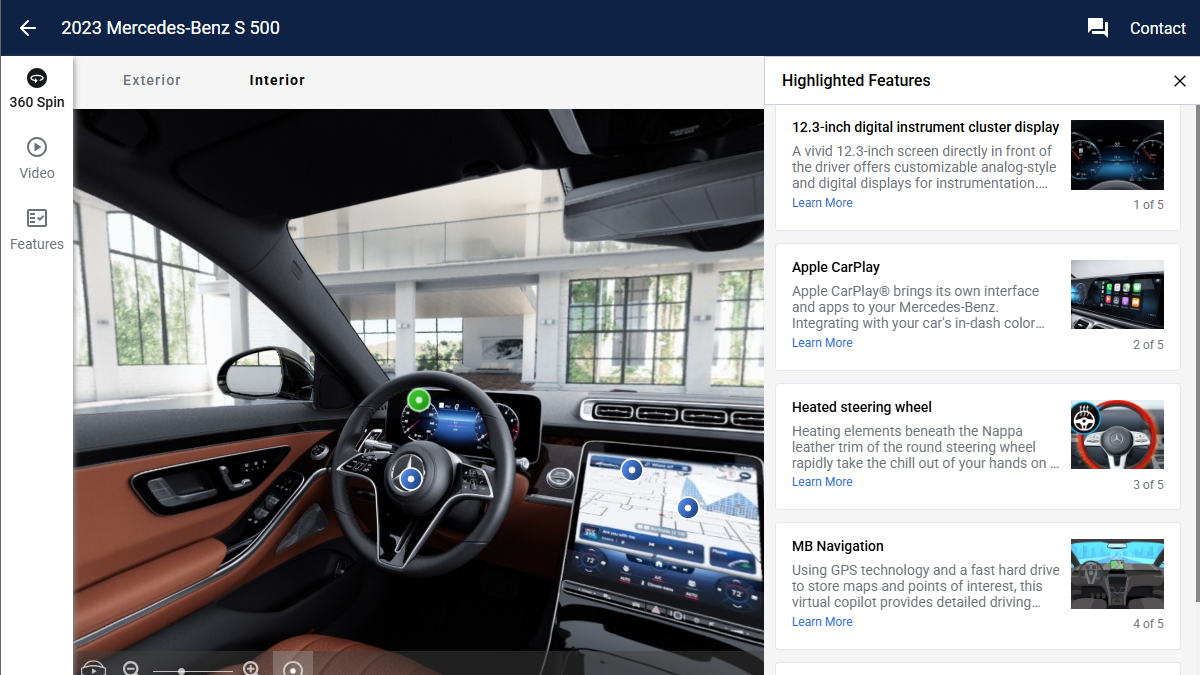
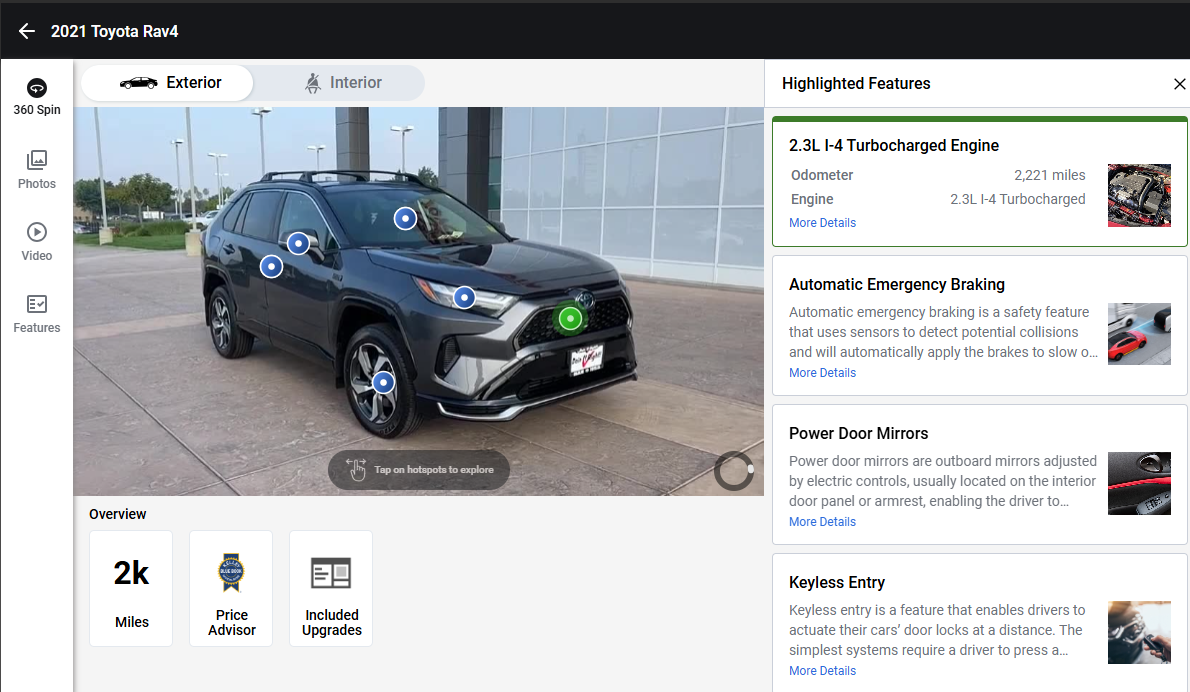
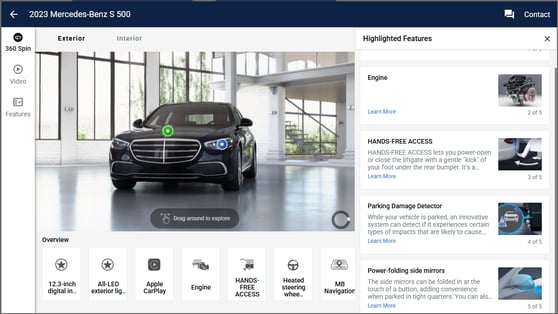
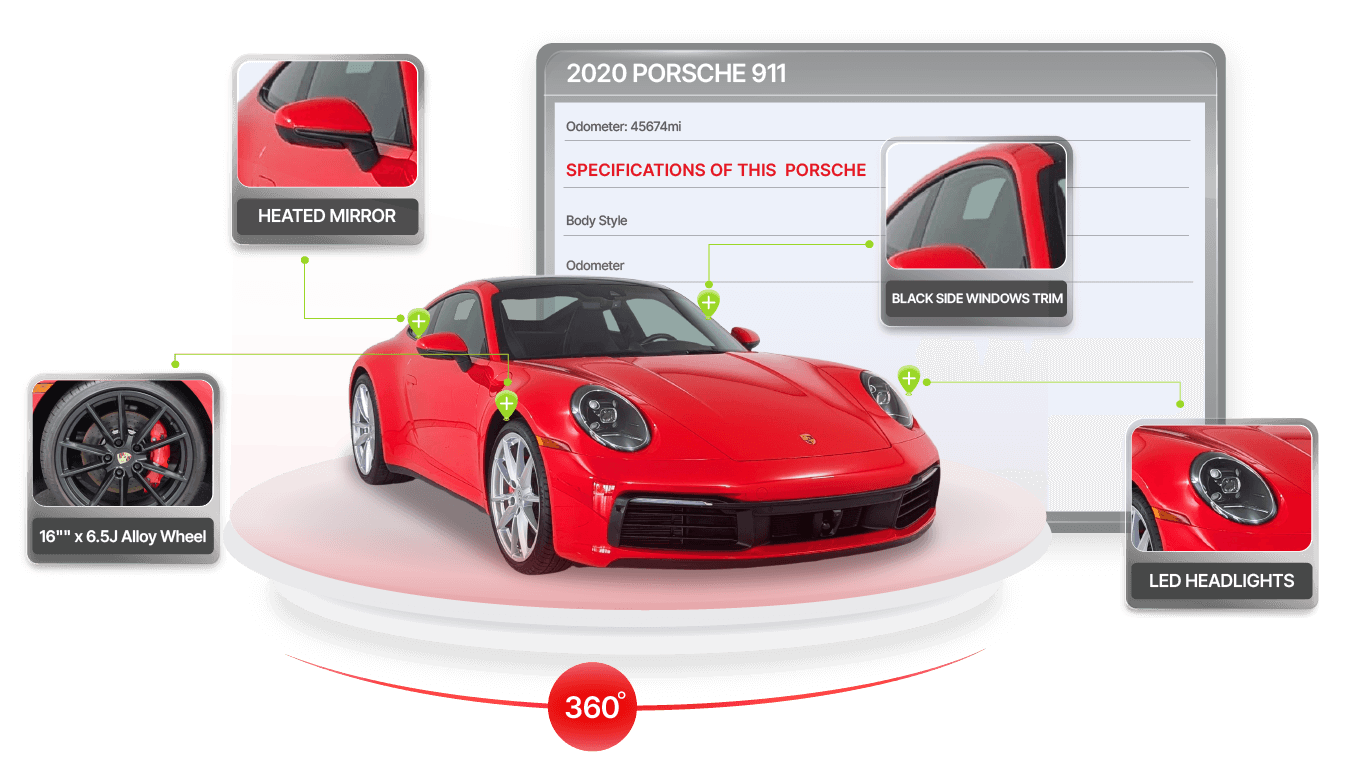
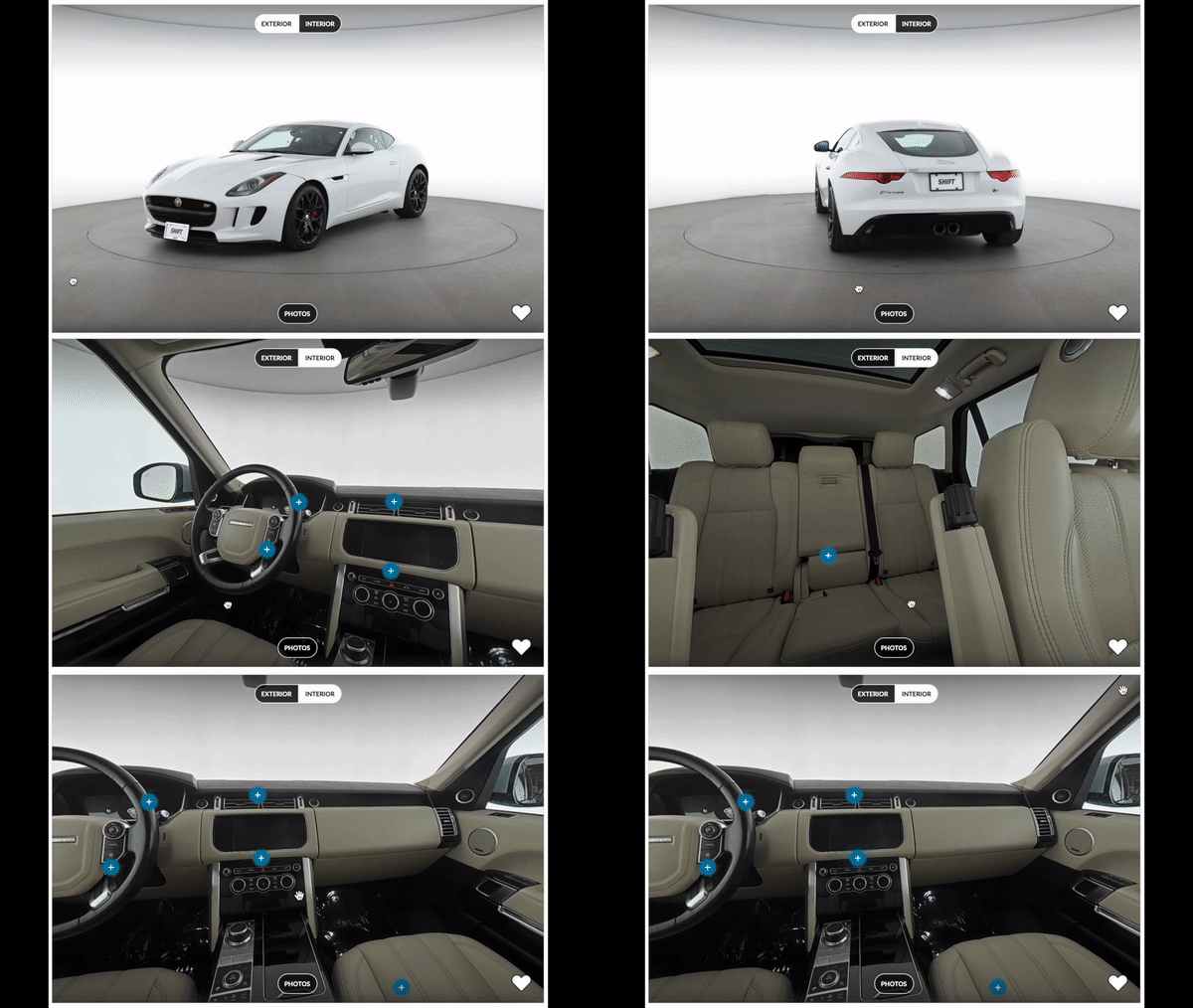
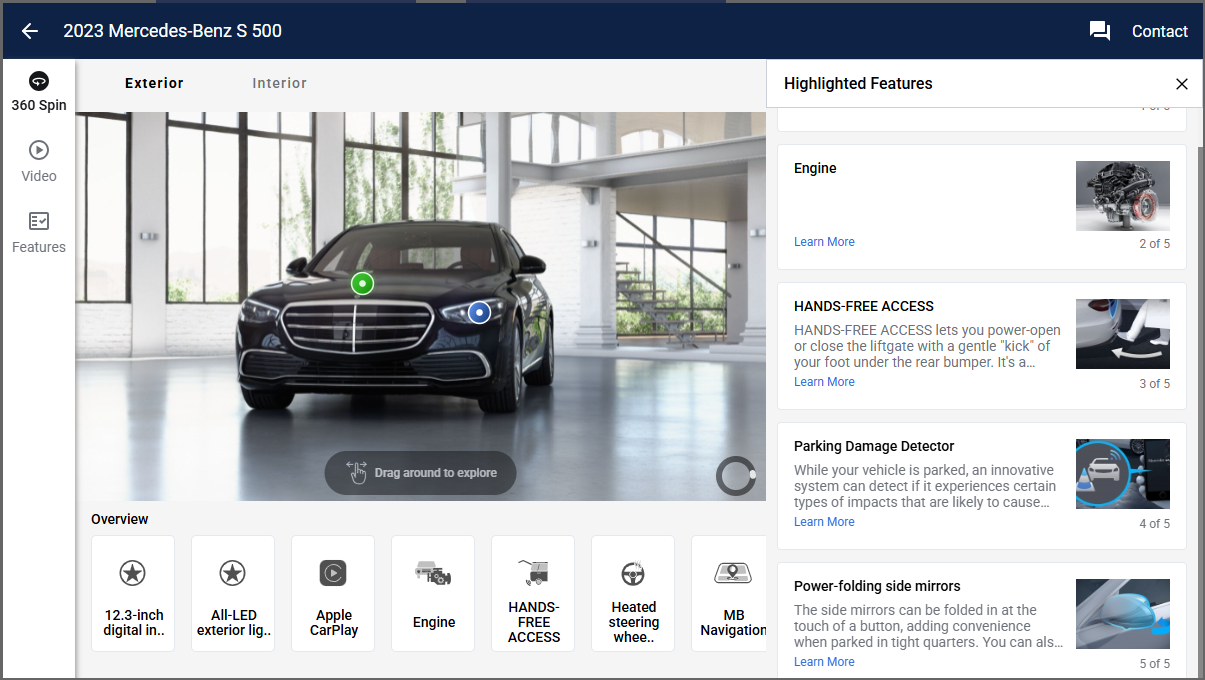
Hotspots are interactive points layered onto vehicle images or 360° spins. When a shopper taps or clicks, a short callout explains a specific feature right where it appears on the car.
Instead of forcing buyers to hunt through specs or read long paragraphs, hotspots guide their eyes. They answer questions visually, the way shoppers already prefer to browse.
In dealership inventory, hotspots are most often used to call out:
- Interior features shoppers care about but may not notice at first glance
- Technology that differentiates one unit from another
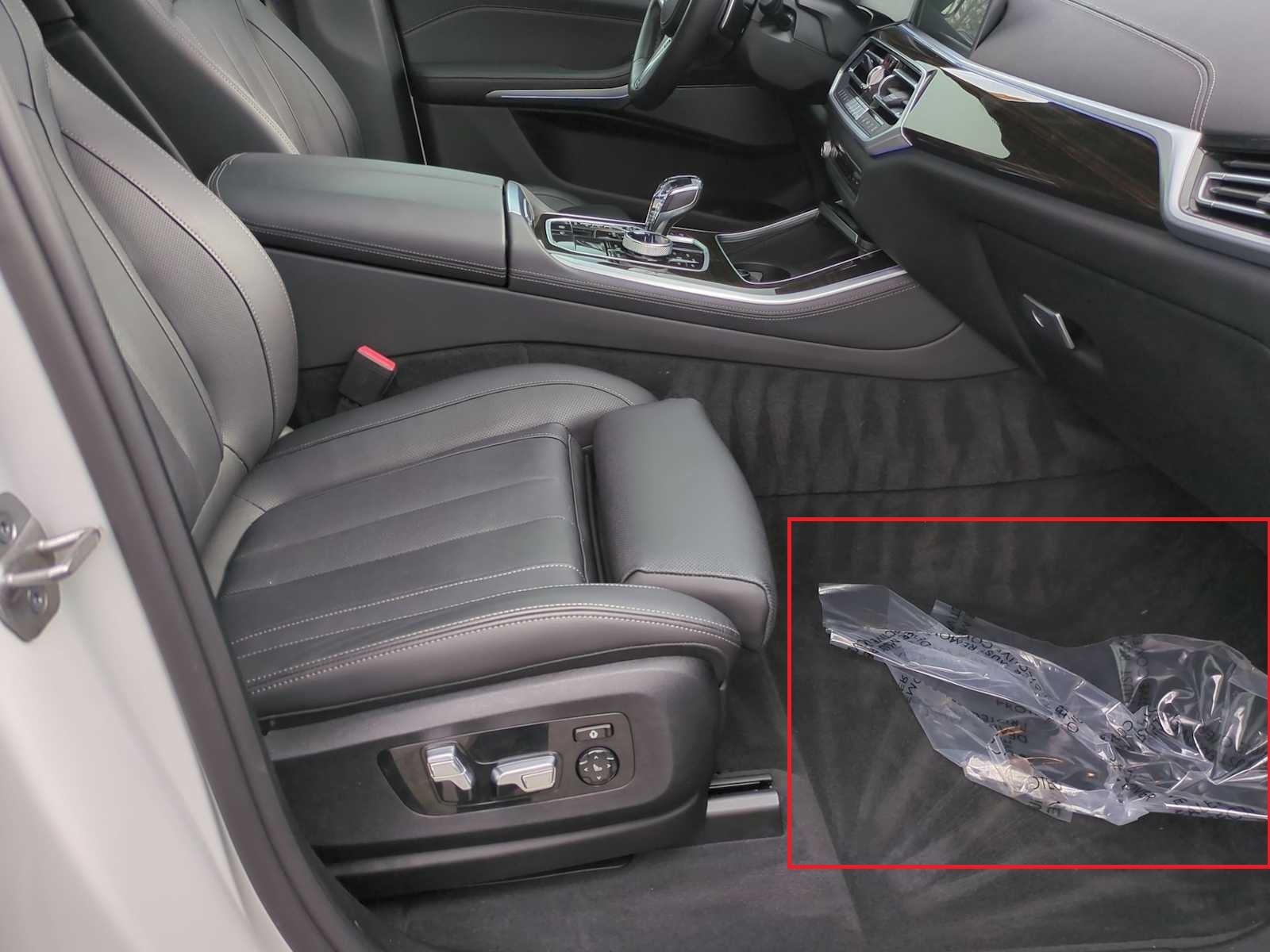
- Condition details that build confidence on used vehicles
- Trim-level upgrades that justify pricing
The key is relevance. A few well-placed hotspots can do more than a full page of copy.
Why Hotspots Matter More Now Than Ever
Not that long ago, listings were simple. A handful of photos and a description were enough. Today, your vehicles are competing against thousands of others within a few clicks. Shoppers expect clarity, transparency, and speed.
Industry research backs this up. Data from Cars.com and Cox Automotive shows that shoppers:
- Look for photos that clearly show features
- Prefer visual explanations over text
- Engage longer with interactive content
- Recall features more accurately when shown visually
Buyers don't want to do the extra work to understand a vehicle. They expect the listing to do the work for them. Hotspots meet that expectation.
The Real Problem Hotspots Solve for Dealerships
Most dealers don’t struggle because they lack selling points. They struggle because those selling points don’t land.
You might know that a vehicle has upgraded wheels, driver-assist features, or a premium interior, but if the shopper doesn’t see it immediately, it doesn’t count. Descriptions get skipped. Spec lists get ignored. Hotspots bring those selling points forward visually, where attention already is.
In many stores, photo quality depends on who took the pictures and how rushed the day was. Over time, that inconsistency chips away at trust.
Hotspots introduce structure. They give every unit a clear, repeatable way to communicate value, regardless of trim or price point. Trust drives conversion. The more confident a shopper feels, the more likely they are to engage.
Hotspots reduce uncertainty by showing what makes the vehicle worth considering. They make listings feel transparent and deliberate instead of rushed.
Hotspots Help Close Deals
It’s easy to talk about engagement metrics, but managers care about outcomes. Interactive visuals consistently lead to:
- Higher SRP-to-VDP conversion
- Longer time on VDPs
- Better feature recall
- More informed inbound leads
When a shopper already understands the vehicle, conversations move faster. Sales teams spend less time explaining basics and more time confirming fit. That shortens the path from click to appointment to sale.
Why Hotspots Are Especially Valuable on Used Inventory
New vehicles can sometimes sell themselves. Used vehicles tend to need a little help. No two used cars are exactly alike. Condition, care, and features vary. Those differences are hard to communicate with text alone. Hotspots allow dealers to:
- Highlight clean interior areas and well-kept surfaces
- Call out unexpected features that add value
- Show buyers why one unit is priced higher than another
- Build confidence before a shopper ever asks a question
For used-car managers, this means fewer pricing objections and more trust early in the process. Many dealerships struggle to add interactive elements because:
-
Internal teams are already stretched thin
-
Photography standards vary
-
Tools aren’t easy to manage at scale
-
No one “owns” digital merchandising end-to-end
-
Volume spikes overwhelm in-house workflows
Without the right process, hotspots become another thing that sounds good but never gets done. That’s why dealerships that use hotspots effectively almost always rely on an outsourced merchandising partner.
Xcite integrates hotspots into a professional imaging workflow designed for dealership speed and volume. This isn’t a bolt-on feature. It’s part of how vehicles are merchandised from the start. Dealers working with Xcite get:
- Professional vehicle photography
- Optimized 360° spins
- Strategically placed hotspots focused on real selling points
- Consistent standards across all inventory
- Fast turnaround that keeps vehicles online quickly
The result is a merchandising experience that feels intentional, polished, and trustworthy—without adding work for your internal team.
Stores using interactive visuals through Xcite consistently see stronger engagement, clearer differentiation between units, and more confident shoppers.
To shoppers, hotspots signal care. They say the dealership paid attention. They say this vehicle was prepared properly. They say this listing is worth a closer look. In a market where buyers compare listings side-by-side, that signal matters.
Hotspots help your vehicles:
- Stand out without being flashy
- Communicate value faster
- Build trust earlier
- Convert more consistently
If you’re looking to improve merchandising quality, highlight selling points more clearly, and give shoppers a better reason to engage with your listings, it’s time to see hotspots done right.
Your vehicles already have the features. Hotspots make sure buyers see them.



 Xcite Auto
 Xcite Auto : Sep 3, 2025, 12:08:20 PM
.png)