In today’s dealership environment, frontline ready means something very different than it did a few years ago. It no longer refers simply to a clean vehicle parked at the front of the lot. A vehicle is only truly frontline ready when it is mechanically sound, properly detailed, professionally photographed, and digitally merchandised in a way that engages buyers and builds trust.
For general managers, general sales managers, and internet directors, the real challenge is not understanding these steps individually. It is ensuring that they operate together as a predictable, efficient workflow. When any stage slows down or lacks consistency, time-to-market increases, inventory ages, and managers spend valuable time solving process issues instead of driving sales performance.
At Xcite, we approach frontline readiness as a coordinated four-step system: reconditioning, detailing, photography, and digital merchandising. When these stages are aligned, vehicles move through the pipeline smoothly and reach buyers faster.
Many of the thousands of dealerships we serve use one or just a few of these services. They can be bundled or taken advantage of individually. You're in control.
Step 1: Reconditioning
The frontline process begins in reconditioning, and this stage often determines whether a vehicle will move quickly or stall before it ever hits the lot.
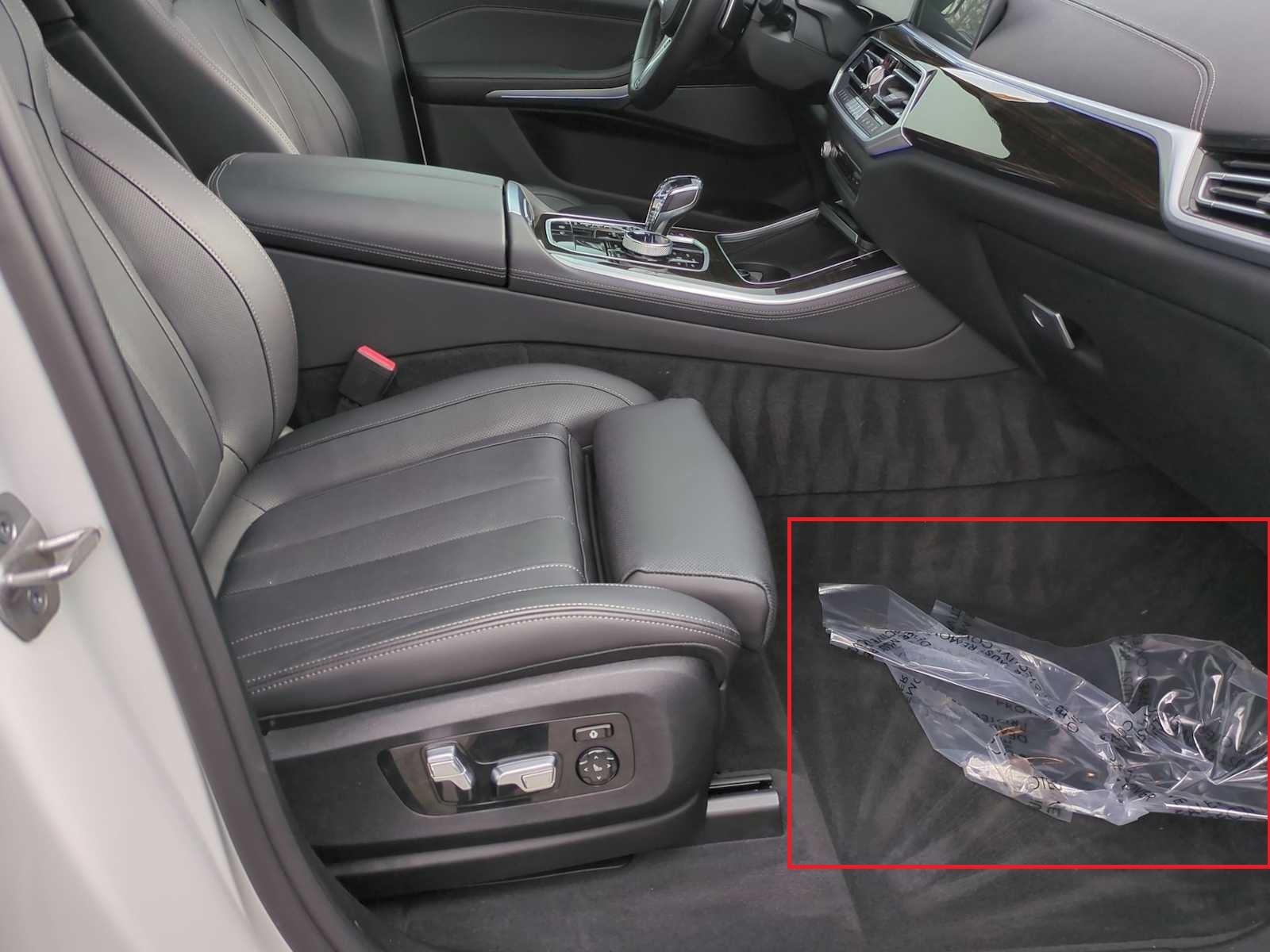
Most dealerships have capable technicians and service managers. The bottleneck typically arises from workflow inefficiencies—vehicles waiting for approvals, delays in parts ordering, unclear accountability between departments, or inconsistent timelines. A recon process that should take one day can easily extend to three or four if communication and tracking are not tightly managed.
Every additional day in recon reduces pricing flexibility and erodes competitive positioning. In a fast-moving market, the vehicles that reach buyers early tend to capture the strongest engagement and hold gross more effectively.
An optimized reconditioning process focuses on reducing idle time and clarifying ownership at each stage. Effective recon workflow includes:
-
Defined approval timelines
-
Clear communication between sales and service
-
Transparent tracking of vehicle status
- Predictable handoff to the next stage
When recon operates with discipline, vehicles exit this phase ready to move immediately into detailing without delay.
Step 2: Detailing
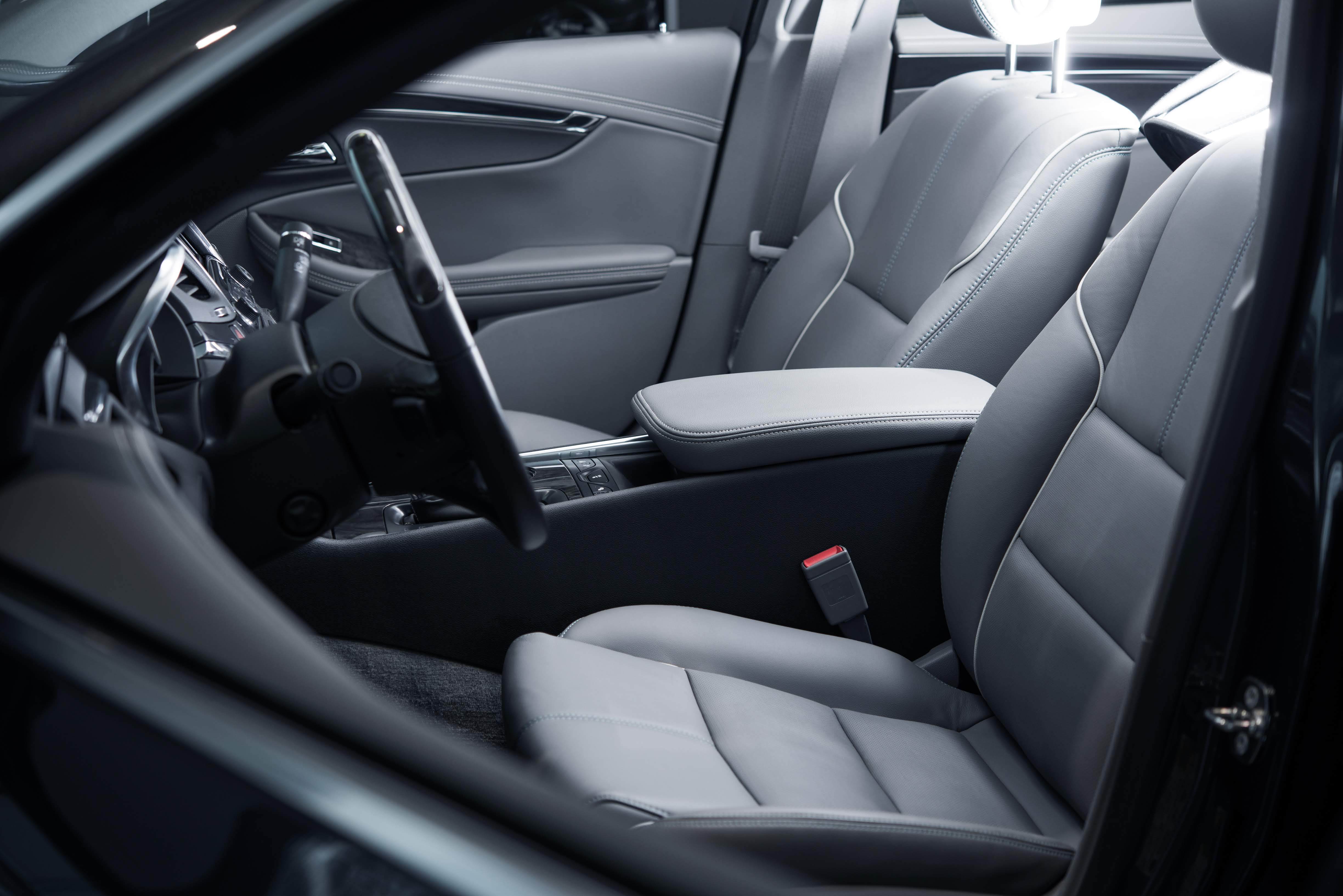
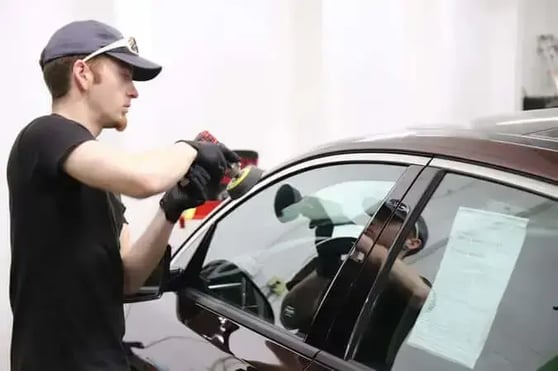
Detailing is often underestimated in its impact on sales performance, yet it directly influences both first impressions and photography results.
High-resolution digital photography reveals every surface. Minor imperfections that might go unnoticed on the lot become obvious on a Vehicle Detail Page (VDP). Water spots, streaks, dust in vents, or overlooked interior areas can diminish buyer confidence before a conversation even begins.
Detail departments face common challenges:
When detail quality varies, photography quality varies. When photography quality varies, digital merchandising effectiveness declines.
Professional, dealership-focused detail services emphasize repeatable standards and operational stability. The goal is not simply to clean vehicles but to prepare them for photography and retail presentation at a consistent level.
When detailing is executed properly:
-
Vehicles photograph correctly the first time
-
Re-shoots are minimized
-
Online listings appear polished and consistent
-
Delivery experiences improve
Detailing becomes not just a cosmetic function but a multiplier for the stages that follow.
Step 3: Photography
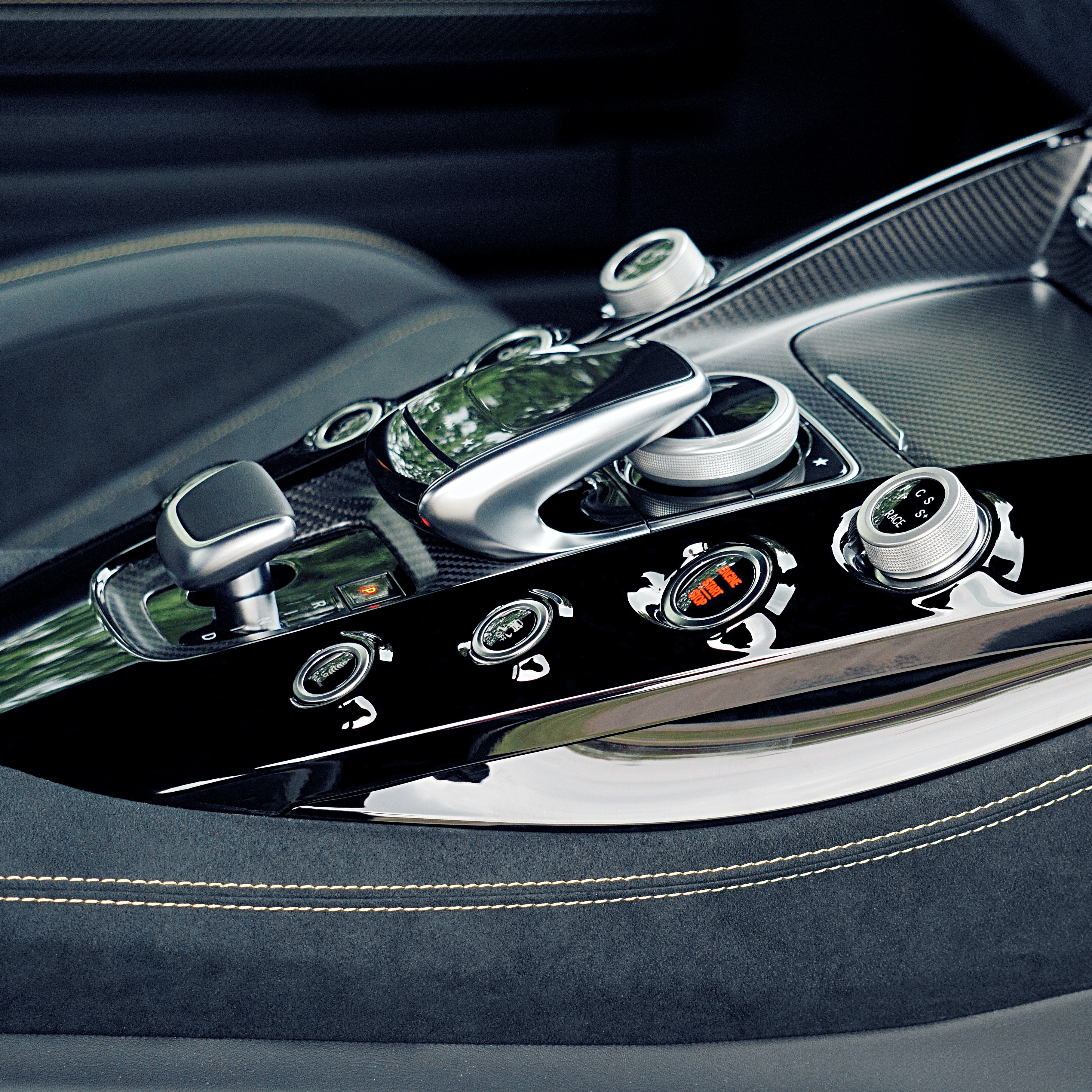
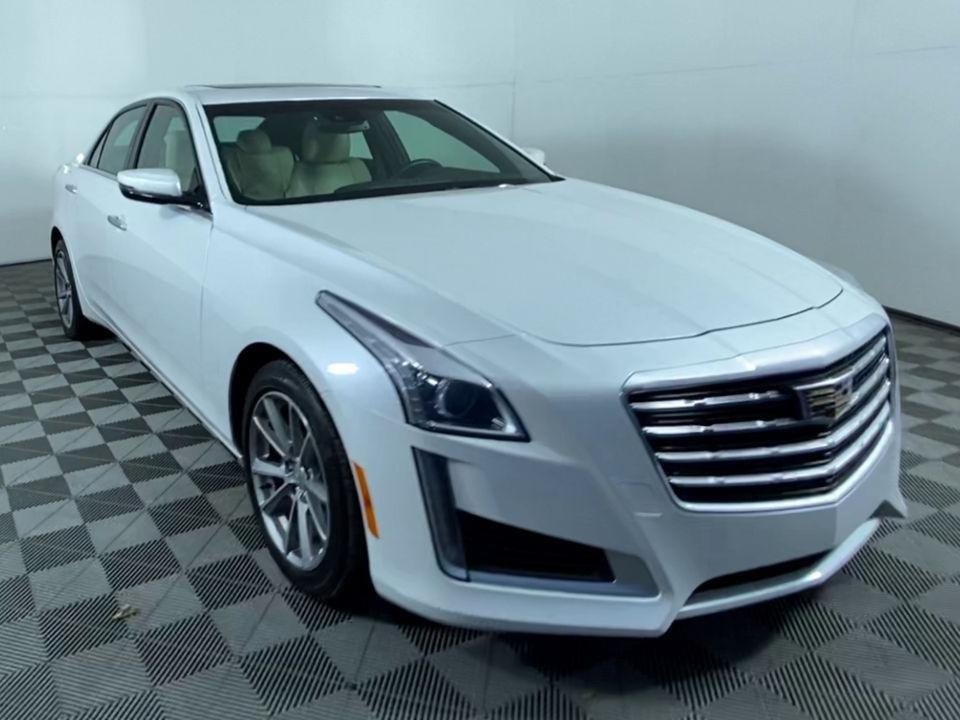
In 2026, the first impression of your dealership is the digital listing. For most shoppers, the VDP serves as the frontline, and photography plays the central role in shaping perception.
Buyers compare listings quickly and often side-by-side. They assess value, condition, and professionalism in seconds. Strong photography builds confidence. Weak photography introduces doubt.
Professional dealership photography focuses on:
Industry research from Cox Automotive and Cars.com consistently indicates that high-quality, feature-focused visuals drive stronger engagement and increase time spent on VDPs. Vehicles presented professionally tend to generate more serious inquiries and better-prepared shoppers.
Speed is equally important. The first several days a vehicle is online often represent its most active engagement period. Delays in photography mean missed exposure during that critical window.
When photography is integrated into a structured daily workflow, vehicles reach the market faster, managers gain predictability, and the inventory pipeline becomes easier to manage.
Step 4: Digital Merchandising
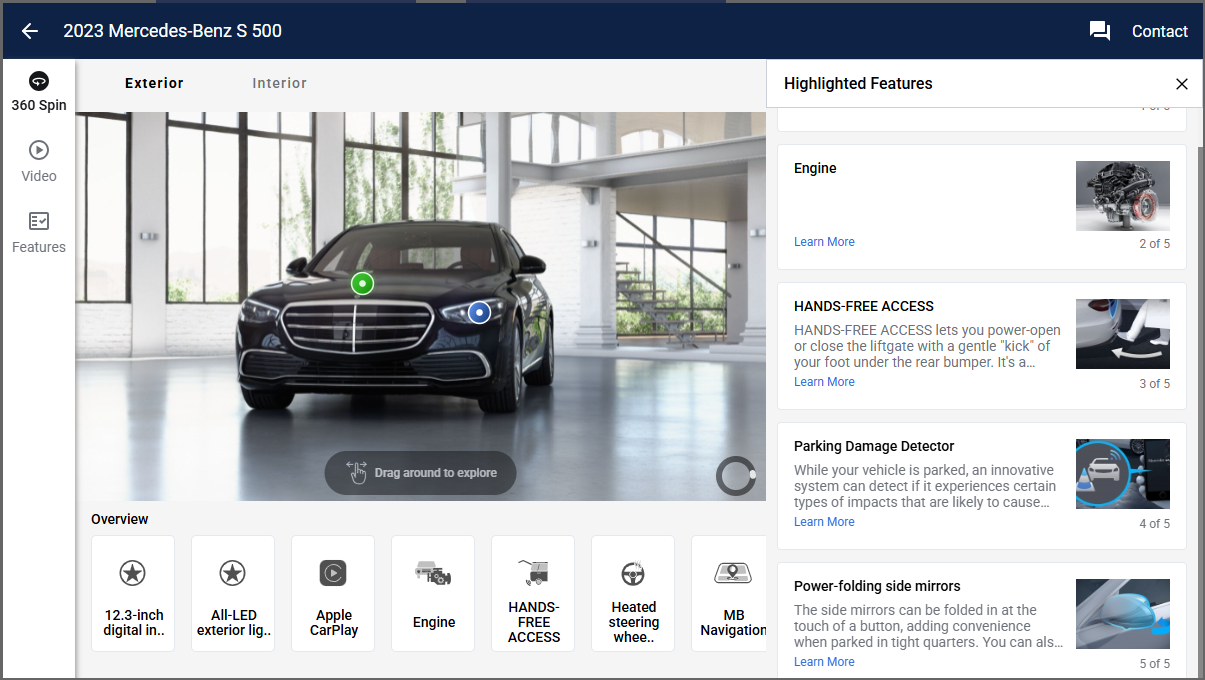
Photography alone is no longer sufficient. Effective digital merchandising builds on quality images to create an engaging online experience.
Digital merchandising now includes elements such as:
-
360-degree vehicle spins
-
Interactive hotspots highlighting key features
-
Clear sequencing of images
-
Mobile-optimized presentation
- Visual emphasis on trim packages and condition
Shoppers increasingly prefer visual explanations over long written descriptions. Interactive elements help buyers understand features quickly and confidently. This reduces friction in the sales process and allows dealership teams to focus on closing rather than basic education.
Strong digital merchandising achieves several objectives:
-
Differentiates similar vehicles in competitive markets
-
Reinforces pricing strategy
-
Builds transparency and trust
- Improves SRP-to-VDP conversion
When digital presentation clearly communicates value, buyers arrive better informed and more prepared to move forward.
Tying the Processes Together
Each of these four stages — reconditioning, detailing, photography, and digital merchandising — has value on its own. However, the true operational advantage emerges when they function as a single, coordinated system.
When departments operate independently, friction accumulates:
-
Recon completes vehicles that wait for detail
-
Detail finishes vehicles waiting for photography
-
Photography is completed but uploads are delayed
-
Digital listings lack engagement elements
This fragmentation creates inefficiencies that appear in aging reports and turn metrics. An integrated workflow produces measurable results. Dealerships that align these stages often experience:
Frontline readiness becomes a reliable outcome rather than a moving target.
Moving Into 2026 With a Stronger Pipeline
As your dealership prepares for continued shifts in consumer behavior and market dynamics, tightening the frontline workflow represents one of the most controllable performance levers available.
The question is not whether reconditioning, detailing, photography, and digital merchandising matter. It is whether they are working together efficiently in your store.
Xcite Automotive integrates all four stages into a dealership-paced, accountable process designed to reduce friction and accelerate time-to-market. Let’s take a close look at where vehicles may be slowing down in your pipeline and determine how a more coordinated four-step approach can improve engagement, protect gross, and strengthen turn performance in 2026.
Book a meeting to review your frontline workflow.



 Xcite Auto
 Xcite Auto : Oct 1, 2025, 12:41:29 PM