It's 9:45 on a Tuesday night. A shopper in your market is on his phone looking at a 2022 Tahoe. He's been at it for ten minutes. He's not going to call tonight. He may never call at all.
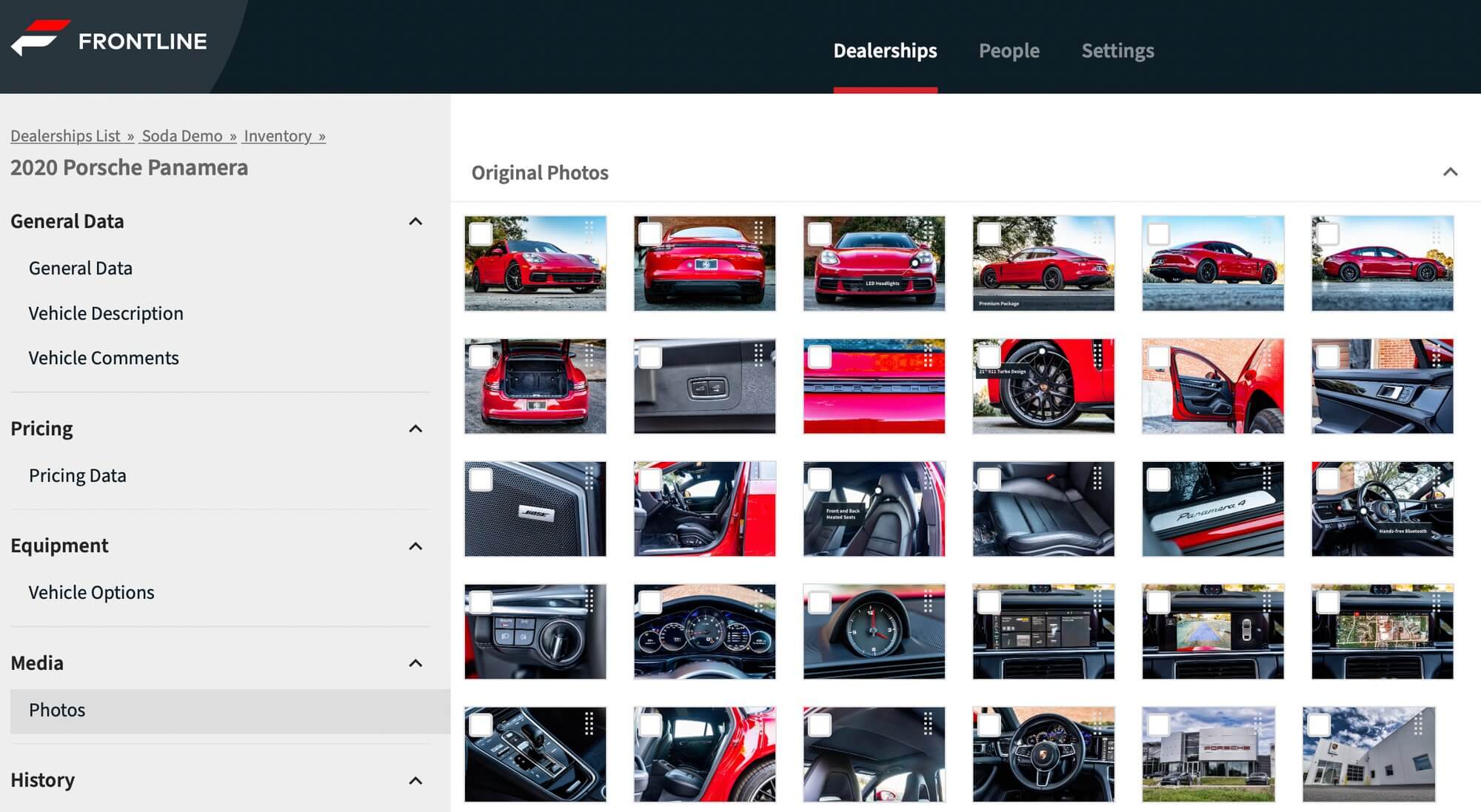
Ten years ago, that same shopper walked your lot on a Saturday and a salesperson walked it with him. That walkaround still happens. It just happens on a phone or laptop. Your photo set, including your 360 car view, is doing the talking, and it's either answering shopper questions or creating them.
Cox Automotive's Car Buyer Journey Study found that just 29% of buyers started the process certain about a vehicle, down from 37% in 2020, while 71% go in with an open mind. The narrowing happens in your website's photo gallery. Your used car merchandising isn't decoration on a decision that's already been made. It determines the actual decision.
Somewhere in that same shopper's browser tabs are two similar Tahoes with similar miles at a similar price. He's going to knock out one, maybe two, of them fast.
Eight photos, all exterior, none of the driver's seat. Next tab.
A gallery that doesn't include shots of the third row on a vehicle people buy for the third row? Next tab.
Shots taken in three different spots on the lot, with a service truck in one and a tent in another? Next tab.
Six Things That Help Sales Book the Appointment
-
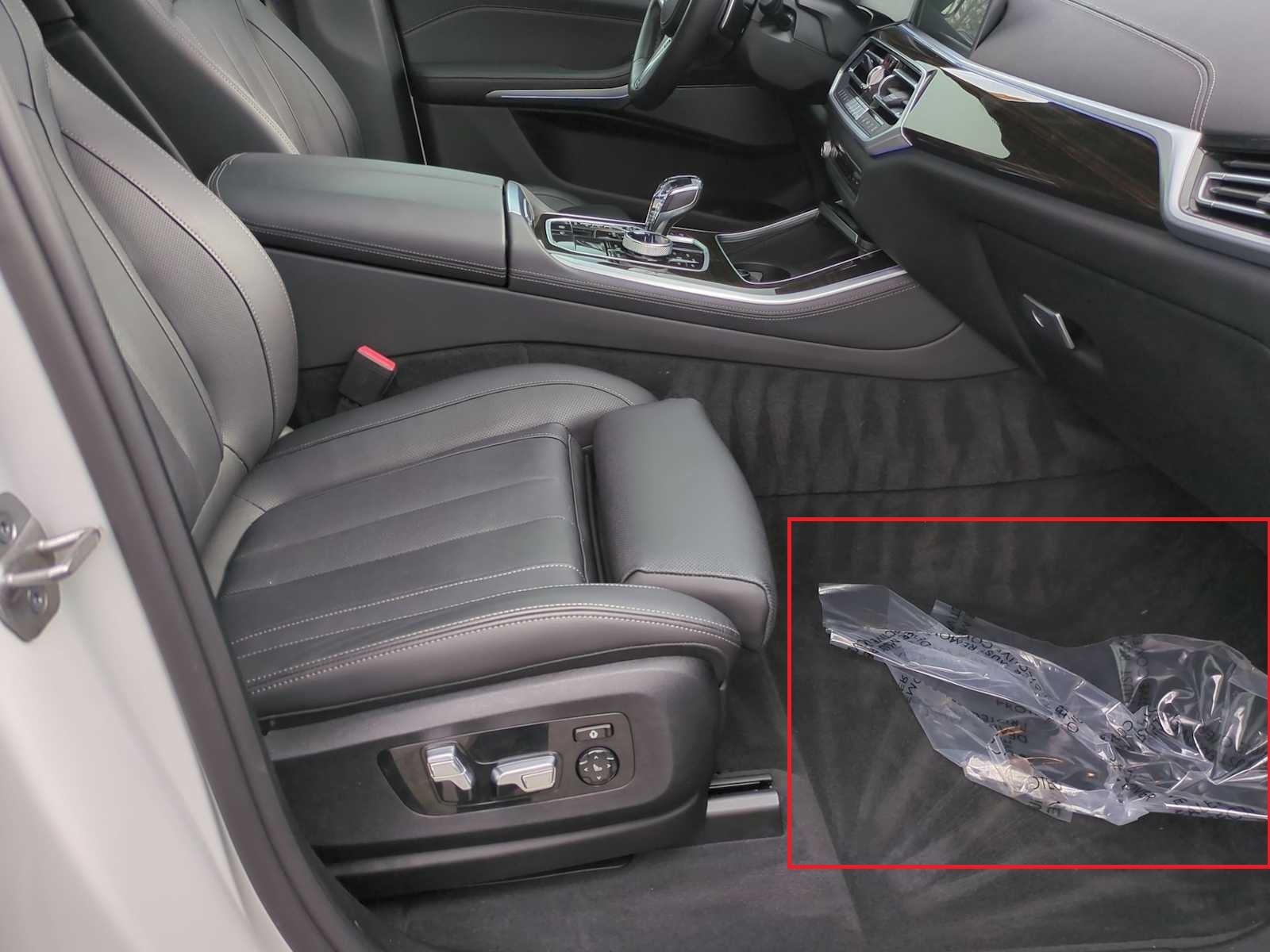
Shoot the flaw on purpose. If there's a scuff on the rear bumper, photograph the scuff. You've also pre-handled the objection that would have otherwise killed the deal. The shopper who shows up knowing about the blemish shows up ready.
-
Set a floor on photo count and hold it. Autotrader and Cox Automotive research consistently shows that listings with multiple real photos generate more VDP views than listings with a single shot or a stock image.
-
Use the same shot list on every unit. Same angles, same order, same background, every car, every day. Consistency does two jobs. It makes your inventory scannable, so a shopper comparing three of your units isn't recalibrating every time. And it makes gaps visible to you.
-
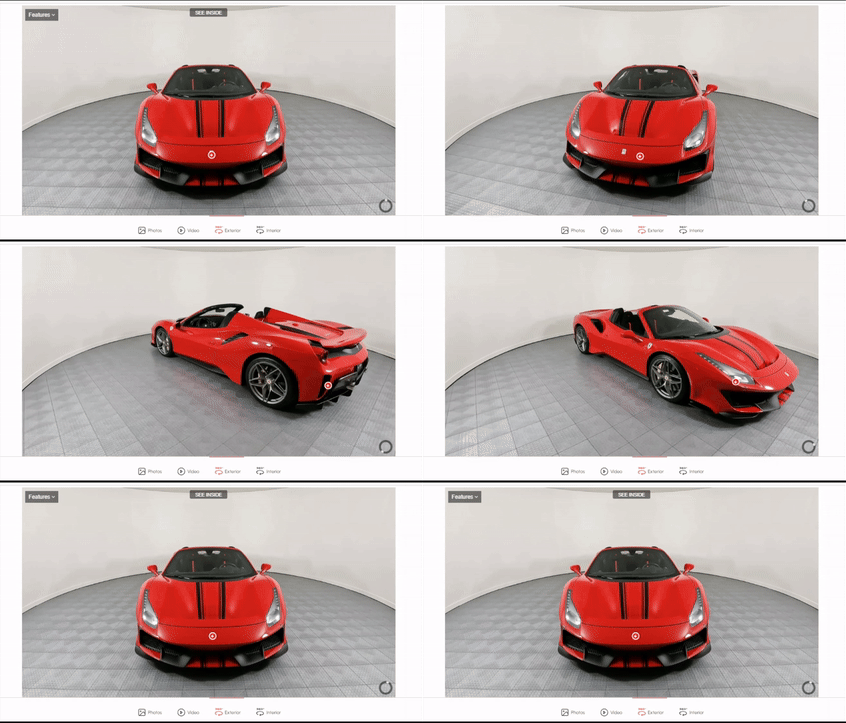
Let the shopper steer. A 360 spin hands control to the shopper. They decide where to look and how long to stay there.
-
Photograph the car the day it's done. A unit that's detailed Monday and shot Thursday spends three days sitting there, sellable, invisible. Worse, it picks up lot dust in the meantime.
-
Audit your store like a shopper. Once a week, on your phone, at night, off the dealership wifi. Pull up your ten oldest units the way a customer would find them. Don't open your inventory tool. Count the photos, look at the first image, and ask whether you'd click.
Disclosure used to be a virtue. It's now a distribution requirement. Photos are on the same track.
Want to learn more about how Xcite helps you perfect the walkaround online? Get in touch today.



 Xcite Auto
.jpg)
 Xcite Auto : Mar 26, 2026, 11:00:45 AM